Making It "Just For Me": The Magic of Personalization in UX
- Arjun S S
- May 28, 2025
- 3 min read
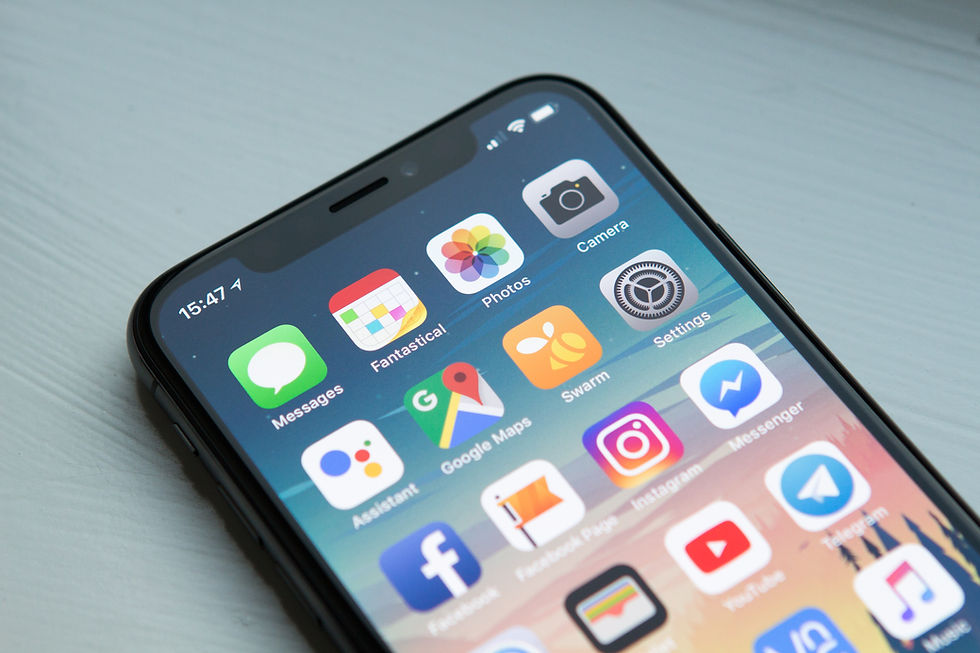
Ever open an app and it just seems to know what you want? Maybe it's a streaming service suggesting a movie you actually like, or a shopping site showing you clothes exactly your style. That feeling of things being perfectly suited to you? That's the power of personalization in UX (User Experience) design.
In simple words, personalization is about tailoring a website, app, or service to fit each individual user. Instead of a one size fits all experience, it changes and adapts based on who you are, what you've done before, and what you're interested in.
Why Does "Just For Me" Feel So Good?
Personalization isn't just a fancy trick, it taps into some basic human desires:
It Saves Time: You don't have to wade through a ton of stuff that's not relevant to you. The app does the filtering, so you get to what you need faster.
It Feels Convenient: When a service anticipates your needs, it feels effortless and smart. It's like having a helpful assistant.
It Builds Connection: When a product seems to "know" you, it feels more human and less generic. This can make you feel valued and understood.
It Reduces Overwhelm: Instead of showing you everything, personalization cuts down on clutter and focuses on what's most important to you (remember Hick's Law?).
It Boosts Engagement: When content and features are relevant, you're more likely to spend time using the product.
It Fosters Loyalty: People tend to stick with products that make their lives easier and feel uniquely tailored to them.
Where Do We See Personalization Happening?
It's all around us!
Streaming Services (Netflix, Spotify, YouTube): "Because you watched..." or "Songs similar to..." These are based on your viewing/listening history.
Online Shopping (Amazon, Flipkart): "Customers who bought this also bought..." or recommendations based on your Browse history.
News Feeds (Facebook, X/Twitter): Showing you posts and topics from people and sources you engage with most.
Fitness Apps: Suggesting workouts based on your progress, goals, and past activity.
Navigation Apps (Google Maps): Remembering your home and work addresses, suggesting routes based on your past commutes.
Language Learning Apps: Adapting lessons based on your strengths and weaknesses.
How Do Designers Make It "Just For You"?
It's not magic, it's a smart use of data and design:
Collecting Data (Ethically!): This is the foundation. It involves understanding what users click on, what they search for, their location, their past purchases, or even preferences they've directly told the app. Crucially, designers must be transparent about this and respect privacy.
Understanding User Behavior: Designers (often with data scientists) look for patterns in how different users behave. What types of content do they prefer? What features do they use most?
Creating Adaptable Interfaces: The design itself needs to be flexible. This means building components that can change based on the personalized data. For example, a "Recommended for You" section that populates with different items for different users.
Allowing User Control: Good personalization lets you have a say. Can you tell the app "I don't like this recommendation"? Can you adjust your privacy settings? Giving users control builds trust.
Testing and Refining: Just like any UX feature, personalized experiences need to be tested with real users to ensure they are actually helpful and not creepy or irrelevant.
The Balance: Personalization vs. Privacy (and Creepiness)
While personalization is powerful, there's a fine line. Users appreciate suggestions, but they don't want to feel spied on. Good UX personalization is:
Relevant: It actually helps the user, rather than just pushing products.
Transparent: Users understand why they're seeing certain things.
Controllable: Users can adjust or turn off personalization if they wish.
Respectful of Privacy: Data is handled securely and ethically.
The Takeaway: Design with the Individual in Mind
Personalization is no longer a luxury, it's an expectation for many digital products. By smartly and ethically tailoring experiences to individual users, UX designers can create products that feel incredibly intuitive, convenient, and uniquely valuable. It’s about making each user feel like the most important person in the world, one perfectly personalized interaction at a time.


Comments